Odds & Picks
 Available in US
Your Edge on Every World Cup Match
Expert picks, odds analysis and group breakdowns for the 2026 FIFA World Cup.
Start ReadingForty-eight nations. One hundred and four matches. Thirty-nine days of football stretched across three countries and sixteen stadiums. On 11 June 2026, the biggest World Cup in history kicks off at the Estadio Azteca in Mexico City, and for those of us who have spent years watching tournament betting markets evolve, this summer feels like the dawn of something genuinely new.
I have covered five World Cups from a punting perspective, and none has presented the sheer volume of betting opportunities that this expanded format delivers. More teams means more mismatches in the group stage, more volatility in knockout rounds, and more chances to find value in markets the bookmakers struggle to price accurately. Whether you are an experienced punter who has been through the Cheltenham highs and Premier League lows, or someone preparing to place their first World Cup 2026 betting slip this June, this hub exists to give you an edge on every match.
Throughout this tournament, I will break down the odds movements, highlight the overlooked value bets, and provide the kind of analysis that goes beyond surface-level stats. The format is simple: data-driven picks, honest assessments, and the sort of match insights you would share with a mate over a pint in Doheny and Nesbitt's rather than the generic content you find plastered across every sportsbook landing page. Let us dive into the biggest punting opportunity of the decade.
What Every Irish Punter Needs to Know Before Kickoff
- The 48-team format creates 104 matches across 39 days, with more group-stage value bets than any previous World Cup — but also more variance in knockout rounds where underdogs face shorter paths to the quarter-finals.
- Scotland return to the World Cup for the first time since 1998, facing Brazil, Morocco and Haiti in Group C — expect Irish punters to adopt the Tartan Army as honorary Celts for this tournament.
- Most evening kick-offs in the United States translate to late-night or early-morning starts in Irish Standard Time, with prime 21:00 ET fixtures beginning at 02:00 IST the following day.
- The Gambling Regulatory Authority of Ireland now oversees all licensed operators, bringing credit card bans and advertising restrictions that reshape how Irish punters approach the tournament.
- Argentina enter as defending champions at 9/2, but the expanded format historically favours organised European sides — France and England offer compelling outright value at 5/1 and 7/1 respectively.
The Biggest World Cup Ever: What 48 Teams Means for Punters
The last time FIFA expanded the World Cup, in 1998 when France hosted 32 teams, I remember my old man dismissing it as a money grab that would dilute quality. He was wrong then, and the sceptics are wrong now. That tournament gave us Croatia's third-place run, Jamaica's joyful cameos, and one of the most memorable finals in history. Expansion does not kill drama — it manufactures it.
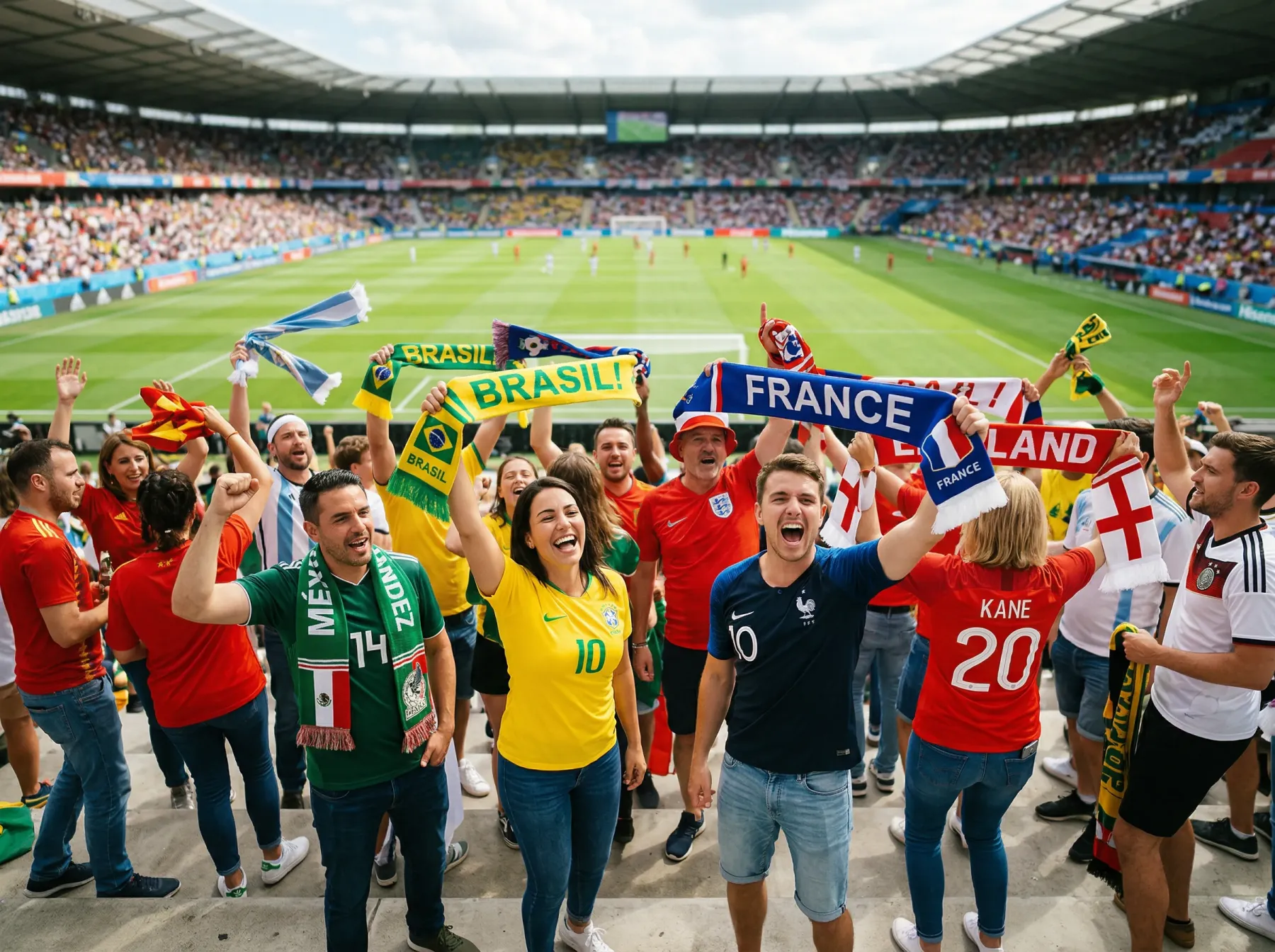
Here is the structural change that matters most for your betting approach: twelve groups of four teams, with the top two from each group advancing alongside the eight best third-placed sides. That means 32 of 48 teams progress to the knockout stage. Run those numbers and you realise that two-thirds of the field reach the Round of 32. Suddenly, every group contains realistic qualification scenarios for teams that would previously have been written off as cannon fodder.
The 2026 World Cup features 104 matches compared to 64 in Qatar 2022. That is a 62.5% increase in betting opportunities across the group stage alone, with 48 group matches expanding to 72.
For punters, this expansion transforms the group-stage betting landscape in three critical ways. First, the third-place safety net changes match-by-match calculations. A team sitting on three points after two games no longer faces elimination panic — they may need only a draw to qualify. This affects in-play markets dramatically, as teams protect leads rather than chase them. Second, the concentration of weaker sides across more groups creates predictable mismatches in the opening fixtures. Haiti facing Brazil in Group C, Curaçao meeting Germany in Group E — these are not competitive matches, and the over/under and handicap markets reflect that reality. Third, the knockout bracket becomes simultaneously more chaotic and more navigable. More third-placed qualifiers means more paths to the final, but it also means potential shocks earlier in the tournament when an underdog avoids a group winner.
The tournament stretches across three host nations — the United States contributes eleven stadiums, Mexico three, and Canada two — creating logistical challenges that affect squad rotation and fatigue. Teams with deeper benches gain an advantage in the group stage, where three matches in eight or nine days test physical reserves. This benefits the traditional powers like France and Spain, who can rotate without sacrificing quality, while smaller squads from nations like Haiti or Cape Verde may struggle to maintain intensity across all three fixtures.
I have seen tournament formats change before, and the betting markets always take time to adjust. The bookmakers priced the 2022 World Cup using models built on decades of 32-team data. Now they are extrapolating to 48 teams with limited historical reference points. That uncertainty creates value for punters who understand the structural shifts. When you see a line that feels slightly off — perhaps a group favourite priced too short given their potential Round of 32 opponent, or a third-place qualifier underrated because the market has not adjusted to the new permutations — that is where the edge lives.
The comprehensive breakdown of all 12 groups and the knockout bracket covers the specific matchups and qualification scenarios. For now, understand this: the 2026 World Cup is not simply a larger version of what came before. It is a fundamentally different tournament, and treating it like an expanded 32-team event will leave money on the table.
With the expanded format creating new dynamics in every group, understanding where each of the 48 teams lands becomes essential before assessing outright markets or group-stage bets.
Outright Winner: Where the Smart Money Is Going
Three weeks before the 2022 World Cup, I backed Argentina at 11/2 on a hunch that Messi's final tournament would carry emotional momentum the market had underpriced. Sometimes the universe rewards romantic punting. Most times, it does not. The outright market for 2026 presents a more complex puzzle because the expanded format disrupts the historical patterns that usually guide these selections.

Argentina enter as defending champions and sentimental favourites, trading at 9/2 across most books. The question every serious punter must answer: does that price reflect their actual chances, or are the bookmakers pricing in the Messi nostalgia that drove Qatar bets? Messi turns 39 during the tournament. If he participates — and that remains uncertain given his age and Inter Miami workload — he will operate in a reduced role. The supporting cast of Julián Álvarez, Enzo Fernández and Alexis Mac Allister carries the burden now. Argentina have the squad depth to defend their title, but 9/2 feels like a loyalty tax rather than genuine value.
The expanded 48-team format historically favours organised European sides over South American flair. France's 1998 title and Germany's disciplined approach in subsequent expansions suggest that tactical cohesion matters more when the knockout bracket deepens.
France represent my strongest outright position. At 5/1, they offer genuine value relative to their tournament equity. Kylian Mbappé enters his prime years as the world's most decisive attacking player. The French squad combines experience from three consecutive final-four finishes with emerging talents like Warren Zaïre-Emery and Bradley Barcola. Didier Deschamps understands tournament football better than any active manager — his pragmatic approach maximises knockout margins while conserving energy across long campaigns. France's Group I draw against Senegal, Iraq and Norway provides a gentle opening before the elimination rounds begin.
England at 7/1 deserves consideration despite the familiar narrative of tournament disappointment. The squad pool remains exceptionally deep, with Phil Foden, Jude Bellingham and Bukayo Saka forming an attacking trident that matches any side in the competition. The concern — as always with England — lies in the margins: penalty shootouts, set-piece defending, and the psychological weight of 60 years without a major trophy. Group L alongside Croatia and Ghana provides early tests, but England should navigate to the knockouts with minimal drama.
Brazil at 4/1 trade shorter than their recent performances warrant. The 2022 quarter-final exit against Croatia exposed defensive vulnerabilities that persist under the current setup. Vinícius Júnior and Rodrygo González provide attacking brilliance, but the midfield lacks the control that characterised Brazil's greatest teams. Group C against Morocco — the side that eliminated them two cycles ago — creates an early stress test. I expect Brazil to advance from their group, but the path to MetLife Stadium feels bumpier than the odds suggest.
Spain and Germany both trade around 8/1, representing solid each-way value without the ceiling of the front four. Spain's teenage revolution of Pedri, Gavi and Lamine Yamal could peak at exactly the right moment, but the lack of a proven tournament striker limits their knockout ceiling. Germany host Euro 2024 enthusiasm into this campaign, though the squad transition leaves questions about defensive solidity. Both sides could reach the semi-finals; neither feels likely to lift the trophy.
The detailed market breakdown in the outright odds and markets analysis covers each-way selections, top scorer betting and tournament specials. For the outright winner, France at 5/1 represents my clearest position heading into June.
Beyond the outright market, the tournament offers dozens of specific betting opportunities where careful analysis reveals genuine edges.
Our Opening Tournament Picks
My mate Ciarán has a ritual before every major tournament: he backs his gut pick for the winner, selects three group-stage accumulators, and promises himself he will not chase losses after the first week. He breaks that promise every single time. The difference between profitable tournament punting and the Ciarán approach comes down to discipline and selectivity. Here are my opening positions for the 2026 World Cup, built on the structural analysis above rather than wishful thinking.
Outright Selection
France to win the World Cup at 5/1 represents the cornerstone of my tournament portfolio. The reasoning sits in the earlier section, but the summary is straightforward: best player in the world, most experienced tournament manager, favourable group draw, and a price that reflects genuine uncertainty rather than market correction. I am taking this at 2% of my World Cup bankroll as a straight win bet, with a smaller each-way stake at 7/1 to cover a final appearance.
Group Stage Picks
Scotland to finish third in Group C at 2/1 offers outstanding value for the Celtic-minded punter. Brazil should win the group, Morocco project to take second place based on their 2022 momentum, and Scotland need only to beat Haiti and compete against Morocco to secure a best-third-place berth. The new format makes third place viable, and Scotland's squad contains genuine Premier League quality in Andy Robertson, John McGinn and Scott McTominay. This is not a sentimental selection — the structure supports it.
Germany to win Group E at 4/9 lacks excitement but anchors accumulators effectively. Curaçao, Côte d'Ivoire and Ecuador present minimal threat to a German side that performed well at Euro 2024. When building group-stage multiples, including a near-certain outcome at short odds reduces overall volatility while maintaining respectable returns.
Uruguay to beat Spain in Group H at 3/1 qualifies as my speculative group-stage selection. Uruguay's tournament experience under Marcelo Bielsa combines with Darwin Núñez's finishing quality to create upset potential against a Spanish side still bedding in their young attackers. The 3/1 price assumes Spain's superiority, but head-to-head history and Uruguay's knockout mentality — even in group matches — suggest this is closer to a coin flip.
Player Markets
Kylian Mbappé to win the Golden Boot at 4/1 represents fair value rather than generous odds. France's expected progression through multiple knockout rounds gives Mbappé more opportunities than attackers from weaker sides. His 2022 final hat-trick demonstrated his appetite for major moments. The primary risk comes from injury or rotation, but Mbappé's durability and France's straightforward group suggest six or seven guaranteed starts.
Harry Kane at 8/1 for top scorer provides each-way value. England's penalty duties, Kane's consistent tournament scoring, and a path to the latter stages make him a reliable accumulator of goals. The 8/1 price reflects his age and the competition from younger strikers, but Kane's positioning and finishing remain elite.
The 48-team format adds two additional knockout rounds before the quarter-finals. A player reaching the final could potentially play ten matches — compared to seven under the old format — significantly increasing top scorer opportunities for attacking players from successful sides.
Specials and Each-Way Selections
Morocco to reach the semi-finals at 12/1 each-way pays at three places with most books. Their 2022 run proved this squad can compete at the highest level, and their Group C draw against Brazil, Scotland and Haiti provides a manageable path to the knockouts. The each-way structure protects against a quarter-final exit while offering significant returns if they repeat their Qatar heroics.
Croatia to reach the quarter-finals at 5/4 feels underpriced given their tournament pedigree. Three of the last four World Cups have seen Croatia advance to at least the semi-finals. Group L alongside England and Ghana presents challenges, but Luka Modrić's experience and Croatian tournament psychology historically exceed market expectations.
These selections provide the framework for tournament betting, but Irish punters have a particular emotional investment in one team's journey through Group C.
Scotland at the World Cup: A Celtic Perspective
When the final whistle blew in Prague on 26 March, I felt it in my chest before the scoreboard confirmed the penalties had gone against us. Ireland out, Czechia through, and another World Cup watching from the sidelines. Within hours, the green jerseys started appearing in Scottish social media comments: "We're all Tartan Army now." It was not just banter. For Irish punters, Scotland's first World Cup appearance since 1998 carries genuine emotional weight.
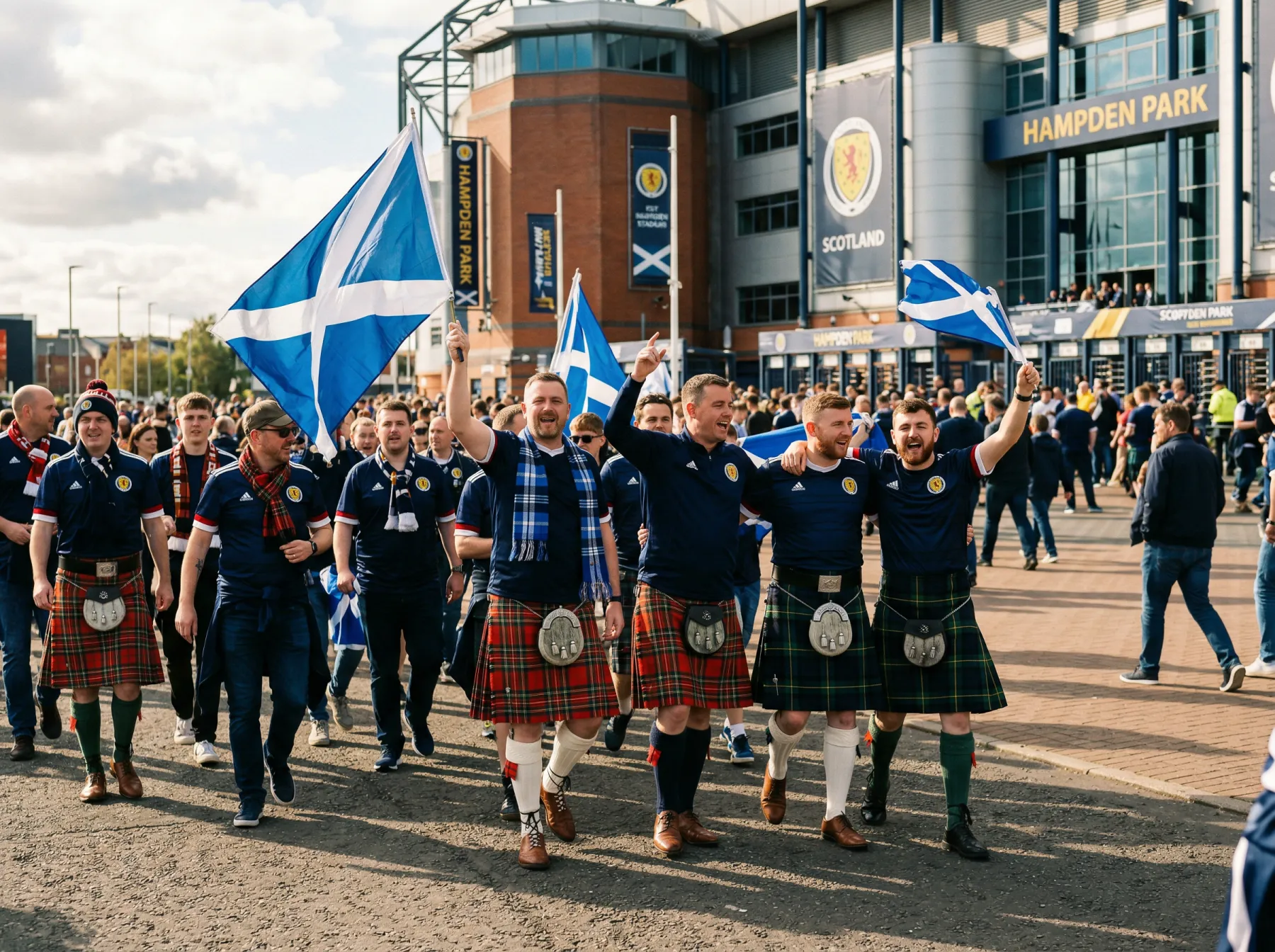
The Boys in Green finished second in our qualifying group behind Portugal, then lost that heartbreaking penalty shootout to Czechia in the playoff semi-final. Scotland, meanwhile, navigated their path through the qualification gauntlet and earned their place in Group C. Celtic solidarity runs deeper than football — shared history, parallel footballing struggles, and the sense that we are both small nations punching above our weight against the established powers. When Scotland face Brazil on 17 June, expect Dublin pubs to be draped in tartan.
Scotland have not won a World Cup match since 1990, when they defeated Sweden 2-1 in Italia '90. Their last World Cup appearance in 1998 produced one draw and two defeats, including a 3-0 loss to Morocco — ironically, their Group C opponents again in 2026.
From a pure betting perspective, Scotland present an interesting proposition despite their underdog status. Steve Clarke's tactical setup prioritises organisation over adventure, which historically performs well in tournament football where discipline matters more than flair. The squad contains Premier League experience throughout: Andy Robertson at Liverpool, John McGinn at Aston Villa, Scott McTominay at Manchester United, and a supporting cast familiar to anyone who follows English football. This is not a squad that will embarrass themselves against superior opposition — they will make every opponent work for results.
Group C realistically offers Scotland two competitive matches and one opportunity for damage limitation. Brazil will win that fixture regardless of Scottish effort, but the Morocco and Haiti games determine whether Scotland reach the knockout stage. Haiti rank among the weakest teams in the tournament, qualifying through CONCACAF expansion rather than footballing merit. Scotland must win that match. Morocco, the 2022 semi-finalists, represent the genuine test — a draw might prove sufficient for third-place qualification depending on other results.
The detailed Scotland World Cup squad and betting analysis covers the specific odds and match-by-match predictions. For Irish punters seeking emotional investment alongside betting returns, Scotland to finish third in Group C at 2/1 combines sentiment with structural value. We could not get ourselves to North America, but the Tartan Army carries Celtic hopes with them. Every Scottish goal will echo from Edinburgh to Dublin.
Whether you are backing Scotland or simply absorbing the tournament atmosphere, understanding where these 104 matches take place adds crucial context to your betting approach.
The Stadiums and Host Cities You Need to Know
MetLife Stadium in East Rutherford, New Jersey will host the World Cup final on 19 July 2026. That sentence alone should make Irish punters recalibrate their understanding of this tournament. The final will not take place under Mediterranean sun or in a purpose-built Gulf state arena — it happens in the shadow of Manhattan, at an American football venue converted for soccer, in front of 87,000 fans who paid premium prices for tickets. The atmosphere will feel unlike any previous World Cup final.
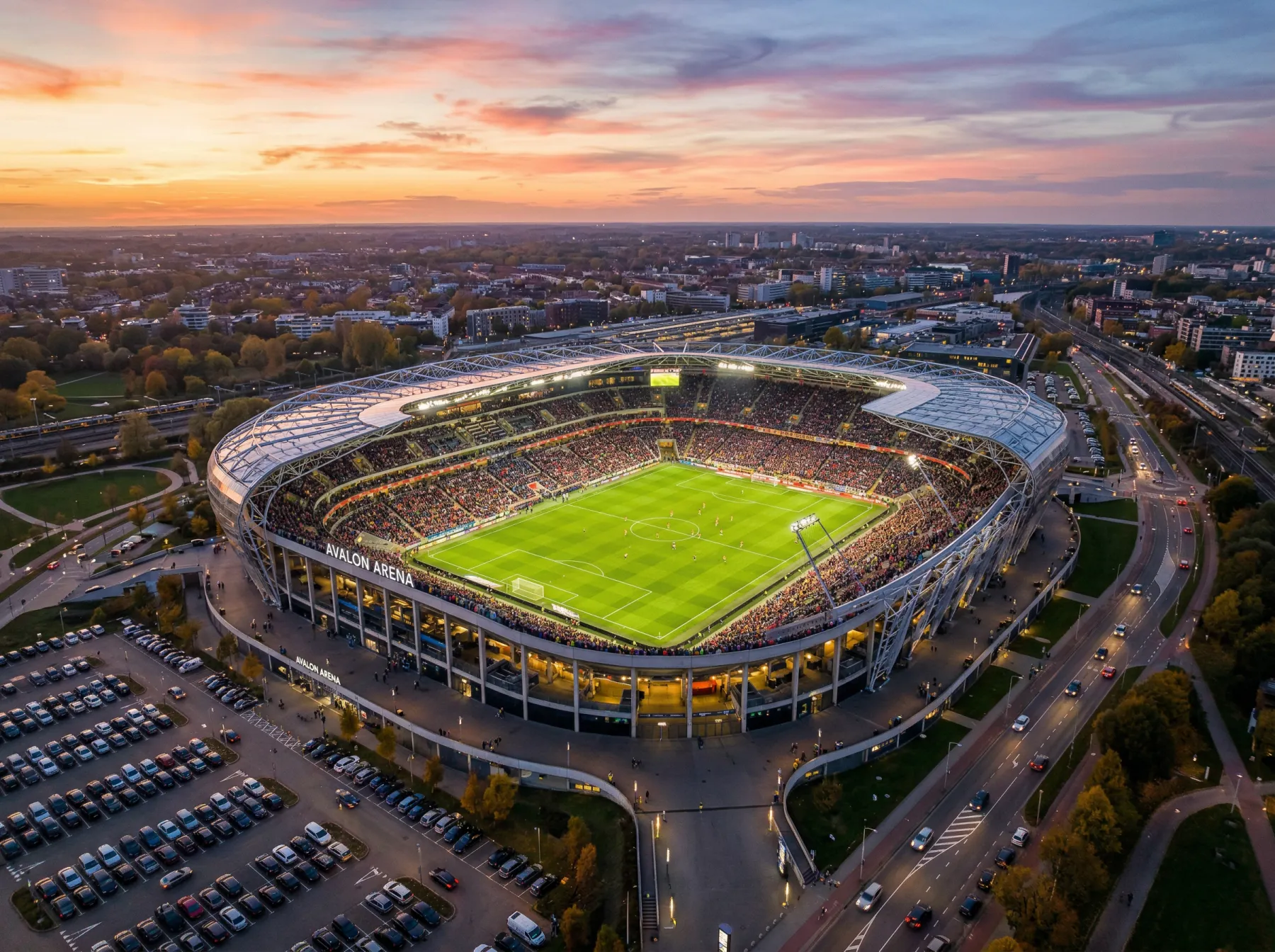
Sixteen stadiums across three nations host the 104 matches. The United States contributes eleven venues, Mexico adds three, and Canada provides two. The geographic spread creates logistical challenges that affect betting calculations: teams based on the West Coast face different travel demands than those centred in Texas or Florida. Squad rotation becomes more important when the next match requires a cross-country flight rather than a short bus journey.
| Stadium | City | Key Matches |
|---|---|---|
| Estadio Azteca | Mexico City | Opening match, Group A |
| MetLife Stadium | East Rutherford, NJ | Final, Semi-final |
| SoFi Stadium | Los Angeles, CA | Semi-final, Group matches |
| Hard Rock Stadium | Miami, FL | Semi-final, Knockout rounds |
| AT&T Stadium | Dallas, TX | Quarter-final, Group matches |
| NRG Stadium | Houston, TX | Group matches |
| Mercedes-Benz Stadium | Atlanta, GA | Knockout rounds |
| Lumen Field | Seattle, WA | Group matches |
| Levi's Stadium | San Francisco, CA | Group matches |
| Lincoln Financial Field | Philadelphia, PA | Group matches |
| Gillette Stadium | Boston, MA | Group matches |
| Arrowhead Stadium | Kansas City, MO | Group matches |
| Estadio BBVA | Monterrey, Mexico | Group matches |
| Estadio Akron | Guadalajara, Mexico | Group matches |
| BMO Field | Toronto, Canada | Group matches |
| BC Place | Vancouver, Canada | Group matches |
The Estadio Azteca holds particular significance as the only stadium to host three World Cup finals — 1970, 1986, and now the 2026 opening ceremony. Mexico against South Africa on 11 June kicks off the tournament in a venue where Diego Maradona's "Hand of God" entered football mythology. The altitude in Mexico City — 2,240 metres above sea level — affects visiting teams who have not acclimatised, creating potential value in under markets for matches hosted there.
For Irish punters considering travel, the East Coast venues offer the most practical options. New York, Boston and Philadelphia provide direct flights from Dublin, and the time zone difference — five hours behind Irish Standard Time — makes evening matches manageable for in-play betting. The West Coast venues in Los Angeles, San Francisco and Seattle present greater challenges, with late kick-offs translating to 02:00 or 03:00 IST starts.
Understanding the venues matters, but Irish punters must also navigate the new regulatory landscape that governs how we place our World Cup bets.
How to Bet on the World Cup from Ireland
The Gambling Regulatory Authority of Ireland changed everything. If you placed your last World Cup bet in 2022, you will find the landscape fundamentally different this summer. The old days of aggressive bonus offers, VIP programmes, and flashy television advertising ended when the Gambling Regulation Act 2024 came into full effect. Understanding these changes is not optional — it directly affects how you approach tournament betting.
The GRAI began licensing online betting operators in February 2026, creating a regulated framework that protects punters while restricting certain practices. The most significant change for everyday betting: credit cards can no longer be used for deposits. Every stake must come from funds you actually possess — debit cards, bank transfers, or approved e-wallets. This seemingly administrative shift forces better bankroll discipline because you cannot chase losses with borrowed money.
Ante-post betting — placing wagers on tournament outcomes before the event begins. Outright winner bets placed now, weeks before kick-off, qualify as ante-post selections and typically offer better odds than in-play tournament markets.
Irish punters retain full access to all World Cup betting markets through licensed operators. The standard options include match result (1X2), both teams to score, over/under goals, correct score, first goalscorer, and the outright tournament markets discussed earlier. Accumulators remain popular for building small stakes into meaningful returns, though the expanded format adds complexity to group-stage multiples. The complete betting guide covers each market type in detail.
For those new to tournament betting, the structure differs significantly from Premier League weekends. The World Cup compresses 39 days of intense action into a single narrative arc. Bankroll management becomes critical when matches occur daily, temptation peaks during the group stage's manic opening, and the emotional swings of knockout football test even experienced punters. Setting a tournament budget before 11 June — and genuinely committing to it — separates profitable punting from summer regret.
The new GRAI regulations also affect how operators can communicate with you. Unsolicited bonus offers and targeted inducements are now prohibited. If you receive promotional messages, they can only come after you have actively opted in to marketing communications. This protects vulnerable punters but also means you must proactively seek out the best odds rather than waiting for offers to arrive in your inbox.
Fractional odds remain the default format for Irish punters, and I will use them throughout this hub. A selection at 5/1 returns five euro profit for every one euro staked, plus your original stake back. Decimal odds — showing 6.00 for the same selection — are increasingly common on online platforms, but converting between formats becomes second nature after a few bets. Most operators allow you to toggle between display formats in account settings.
Tool from Kickoff Line
5/1 or 6.00? Same price, different maths
Convert any fractional odds to decimal and implied probability, and work out exactly what an each-way bet pays across win, place, or nothing.
Enter fractional odds as shown by your bookmaker — see the decimal equivalent, implied probability and payout.
Formula: decimal = 1 + (numerator ÷ denominator). Implied probability = 1 ÷ decimal. Profit = stake × (numerator ÷ denominator). Try 9/2 (Argentina), 5/1 (France), 7/1 (England) or 4/1 (Brazil) to check this hub's own outright prices.
An each-way bet is two bets in one — half your stake on the win, half on the place, at a fraction of the odds.
Place terms
If the selection…
Calibrated on this hub's own example: Morocco to reach the semi-finals at 12/1 each-way, paying 3 places at 1/4 odds. A €20 each-way bet (€10 win + €10 place) returns €170 if Morocco win outright, €40 if they place without winning, and €0 if they finish outside the paid places.
For information only, not financial advice. Problem Gambling Ireland
Betting mechanics matter less than timing for Irish punters, because the tournament's North American location creates significant challenges for anyone planning to watch matches live.
Match Times in Irish Standard Time
The 02:00 kick-off. If you have ever followed an American sports event from Ireland, you know the feeling — the alarm set, the coffee brewed, the dawning realisation that tomorrow's workday will be brutal. The 2026 World Cup poses this challenge across 39 days, and understanding the time conversion separates prepared punters from bleary-eyed guesswork.
Irish Standard Time runs five hours ahead of Eastern Time during summer. When a match kicks off at 21:00 ET in Miami or New York, it is already 02:00 the following day in Dublin. The prime-time American slots — the matches FIFA schedules for maximum North American viewership — translate to the least convenient times for Irish audiences. Group stage matches and early knockout rounds will test your commitment to live betting.
| US Kick-off (ET) | Irish Time (IST) | Notes |
|---|---|---|
| 12:00 ET | 17:00 IST | Early matches, comfortable viewing |
| 15:00 ET | 20:00 IST | Afternoon slots, ideal for pubs |
| 18:00 ET | 23:00 IST | Late evening, manageable for most |
| 21:00 ET | 02:00 IST (+1) | Prime-time US, overnight for Ireland |
Mexico-based matches add another layer of complexity. Mexico City sits in Central Time, one hour behind Eastern, meaning an evening kick-off at the Azteca could start at 01:00 or 03:00 IST depending on the scheduled slot. The Canadian venues in Toronto and Vancouver follow Eastern and Pacific times respectively — Vancouver matches run three hours behind New York, pushing some fixtures to 05:00 IST.
For in-play betting, these timing considerations become critical. Live markets move fastest in the final twenty minutes of matches, precisely when Irish punters following a 21:00 ET kick-off are fighting fatigue at 04:00 local time. My approach for this tournament involves selective live betting: pre-identify two or three key fixtures per week rather than attempting to follow every match. The bookmakers know that tired punters make poor decisions — do not give them the edge.
The full match schedule converts every group stage and knockout fixture to IST, allowing you to plan viewing and betting around your actual life rather than American broadcasting preferences.
With timing sorted, staying updated on the latest betting analysis and odds movements becomes essential as the tournament approaches.
Latest Analysis and Picks
Tournament betting rewards those who adapt. The odds shift as kickoff approaches, squad news filters through training ground whispers, and the market prices in information that was not available weeks earlier. This hub serves as your central point for World Cup 2026 betting analysis, but the deeper work lives in the dedicated pages that drill into specific angles.
The complete guide to all 48 teams profiles every squad competing in North America, from the favourites chasing glory to the minnows celebrating qualification as a triumph in itself. Each team page includes current squad form, key player profiles, historical tournament performance, and specific betting angles that the outright market may have overlooked.
Group stage value often emerges in the details that surface between now and 11 June. Injury news, managerial changes, and tactical adjustments all influence how I approach each matchday. The analysis published here builds on the structural framework above — understanding which teams deserve attention, which markets offer genuine value, and which betting opportunities the casual punter misses entirely.
Check back as the tournament develops. Live match analysis, updated odds assessments, and in-play betting guides will appear throughout June and July. The World Cup rewards preparation, but it also rewards flexibility. Conditions change, squads evolve, and the punters who adjust their positions based on new information outperform those who set their bets in April and hope for the best.
Before placing any World Cup bet, understanding the fundamentals through commonly asked questions helps frame your approach.
Frequently Asked Questions
When does the 2026 World Cup start and finish?
The 2026 FIFA World Cup runs from 11 June to 19 July 2026. The opening match features Mexico against South Africa at the Estadio Azteca in Mexico City on 11 June. The tournament spans 39 days across three host nations — the United States, Mexico and Canada — culminating in the final at MetLife Stadium in East Rutherford, New Jersey on 19 July. The group stage occupies the opening 18 days, followed by the expanded knockout rounds that accommodate 32 qualifying teams.
How many teams compete in the 2026 World Cup?
The 2026 World Cup features 48 teams, expanded from the 32-team format used since 1998. FIFA introduced this expansion to provide more nations with World Cup qualification opportunities and to generate additional revenue through increased matches. The 48 teams divide into 12 groups of four, with the top two from each group and the eight best third-placed sides advancing to the Round of 32. This format produces 104 total matches compared to 64 under the previous system.
Can I legally bet on the World Cup from Ireland?
Yes, online betting on the World Cup is fully legal in Ireland through operators licensed by the Gambling Regulatory Authority of Ireland. The GRAI began licensing online betting operators in February 2026 under the Gambling Regulation Act 2024. Irish punters can access standard World Cup betting markets including match result, outright winner, top scorer, group qualifiers and in-play betting through licensed bookmakers. The new regulations prohibit credit card deposits and restrict certain promotional practices, but all major betting markets remain available.
What time zone are World Cup matches broadcast in for Ireland?
Irish Standard Time runs five hours ahead of US Eastern Time during summer months. A match kicking off at 21:00 ET — the prime-time American slot — begins at 02:00 IST the following day. Earlier kick-offs at 12:00 ET translate to 17:00 IST, providing comfortable evening viewing. The tournament scheduling prioritises North American television audiences, meaning many key matches occur late at night or in the early morning hours for Irish viewers. West Coast venues add further delays, with some fixtures in Los Angeles or Seattle starting after 03:00 IST.
Is Ireland playing in the 2026 World Cup?
No, the Republic of Ireland did not qualify for the 2026 World Cup. Ireland finished second in their UEFA qualifying group behind Portugal, advancing to the playoff stage. In the playoff semi-final on 26 March 2026, Ireland lost to Czechia on penalties in Prague after a 2-2 draw in regular time. This continues Ireland's World Cup absence that stretches back to 2002, when the Boys in Green reached the Round of 16 in Japan and South Korea. Scottish fans have become the adopted team for many Irish supporters this tournament.
Which teams are favourites to win the World Cup?
Argentina enter as defending champions at 9/2 odds, but the betting market considers several teams genuine contenders. France trade at 5/1 with the strongest overall squad and tournament experience under Didier Deschamps. England at 7/1 carry their perennial favourite status despite lacking recent tournament success. Brazil at 4/1 represent the shortest-priced South American side, while Spain and Germany both trade around 8/1. The expanded format adds unpredictability, as more knockout rounds create additional opportunities for upsets.
What odds format do Irish bookmakers use for World Cup betting?
Irish bookmakers predominantly display fractional odds, the traditional format shared with the United Kingdom. A selection at 5/1 returns five euro profit for every one euro staked, plus the original stake. Decimal odds — showing 6.00 for the same selection — appear increasingly on online platforms and mobile apps. Most licensed operators allow users to toggle between display formats in account settings. Throughout this hub, I use fractional odds as the primary format, occasionally noting decimal equivalents for clarity on specific selections.
Your 39-Day Betting Calendar Starts Now
The 2026 World Cup begins on 11 June in Mexico City, but your betting preparation starts today. The outright markets carry their best value before squad announcements narrow the possibilities, before friendly matches reveal tactical intentions, and before the casual money floods in during the final week. France at 5/1 will not stay at 5/1 once the tournament favouritism crystallises in public imagination.
This hub will evolve as the tournament approaches and progresses. Group stage previews, match-by-match analysis, and live betting guides will appear throughout June and July. The structural analysis above — the 48-team format implications, the group compositions, the timezone challenges — provides the foundation. The match-specific insights build from there.
For Irish punters watching Scotland carry Celtic hopes into Group C, for those setting tournament budgets under the new GRAI regulations, and for anyone seeking genuine betting edges rather than promotional noise, this is your starting point. The biggest World Cup ever approaches. The 104 matches spread across 39 days offer more opportunities than any previous tournament — and more ways to lose money if you approach it without discipline. Set your stakes, trust your analysis, and enjoy the summer of World Cup 2026 betting.
